Bermudagrass.com - An Informational Website From Seedland.com
|

ORDER
ONLINE |
PHONE ORDERS:
PHONE
Phone Business hours - Mon-Fri. 9-5 EST ONLY - Contact via
Email
 |
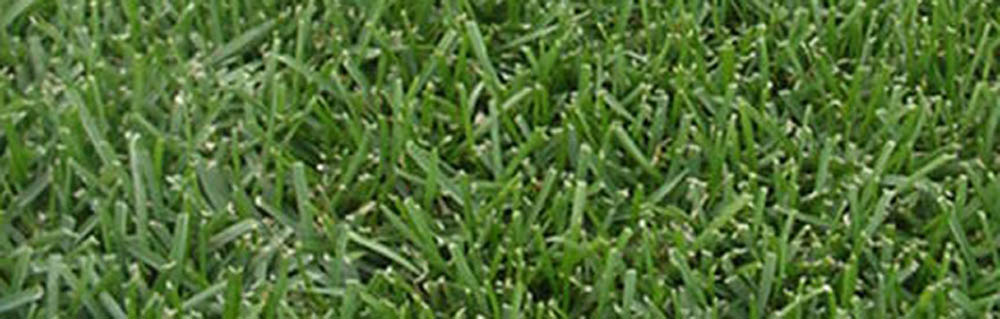
Bermudagrass or Couchgrass (cynodon sp.), also called wiregrass, is the primary turf grass for much
of the temperate and tropical areas of the world. Originating in Africa and India, this grass has the ability to withstand extremes in climatic and growing conditions around the world. "Common"
Bermudagrass seed has been used for many years as a preferred turf surface for uses as diverse as professional sports fields, pastures, parks and home lawns.
Common
Bermuda Grass Seed is used
for pasture, hay production, erosion control, lawns, roadsides, and many other uses. It is adapted for a wide range of soil types from sandy to clay soils. This bermuda grass is best
adapted to the lower 1/3 of the US on well drained sites. It is very drought tolerant but still can stand flooding for short periods.
Common Bermuda grass seed is the original field selected variety from which the improved bermuda grass seeded varieties originated. It makes a coarse general purpose lawn and is
still planted for lawn use throughout warm season areas. Common Bermuda Grass is also the least expensive grass variety you can plant from seed. Planting from seed is the most cost
effective way to plant Bermuda grass.
Sahara bermuda grass seed is one of the more popular basic improved common bermuda grass seed varieties.
SALE NOTE: Seedland Power BUY! - Save 5% on orders of 5+ 50 lb. BAGS (250+ lbs)- Sahara Bermuda ONLY! - Applies to individual item 5+ bag
quantities of 50# Sahara Bermuda.
Types of Bermuda Grass Seed
HULLED & UN-HULLED SEED - Common Bermuda Grass seed is sold as both hulled and un-hulled seeds. Hulled seeds have the seed husk removed and germinate faster while un-hulled still have
a natural seed husk that generally delays germination. This delay is natures way of waiting for more ideal conditions and ensuring a species survival. Under good growing conditions hulled
seed will create a faster established pasture or lawn. Coated seed have a special chemical coating applied that helps in germination and reduces loss to birds. Read more about bermuda
grass seeds below.
Often, grassing contractors will plant both hulled & un-hulled, so as to ensure a successful establishment of a planted area. Usually this is a 50-50 mixture of hulled
and un-hulled seed.
Common bermuda grass requires less fertilizer than hybrid Bermuda grass and is the most economical Bermuda that can be established. Especially compared to the hybrid
sprigged Bermudas. Read more about bermuda grass varieties for forage and pasture.
Note: Seedland currently only sells common bermuda grass as Hulled or un-hulled seed in 50 lb. bags. The variety
Sahara Bermuda Grass, an improved common bermuda grass, is available in
smaller package sizes.
Common Bermuda Grass For Hay & Pasture Uses
The average nutritional analysis for common bermuda grass is 10% protein and 50% TDN. To establish a pasture, plant 10 lbs. per acre March to July in a well
prepared seed bed. Hay can be harvested at 4 to 6 week intervals. Responds well to high levels of Nitrogen fertilizer, Add lime at pH below 5.5. -- Apply nitrogen after each cutting.
Common bermuda grass requires less fertilizer than hybrid Bermuda and is the most economical Bermuda that can be established. Read more about
bermuda grass varieties for forage and pasture uses.
|
Bermudagrass.com
Growing
a beautiful tomorrow!® |
|