Recently, many golf and sports turf
managers have been faced with drastic reductions in survival and
re-establishment of their permanent bermuda bases, after winter
ryegrass overseeding. Turfgrass managers in the southern United
States generally plan and budget each year to add additional bermuda grass seed or sprigs to their turf grass project, especially in areas that have become worn or thinned out due to
overseeding stress. This is considered regular maintenance to
keep bermuda populations high and to assist the dormant
bermuda grass with faster recovery from winter dormancy and
ryegrass overseeding. Cool season turfgrass managers, using
species such as bluegrass as a permanent base, interseed each
year for the same reasons.
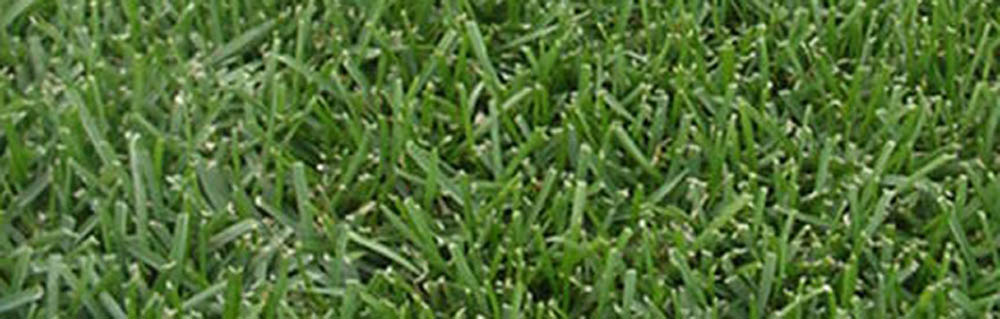
The turf-type seeded Bermuda grasses are perfectly suited for
this maintenance practice, especially if your sports field or
golf course has an existing base of "common" or another seeded
bermuda. The turf-type bermuda grasses currently available will blend well, and improve the overall
appearance and performance of any seeded bermuda base that has
become thin due to excessive wear, or winter overseeding
decline. Innovative southern turf managers have been using these
turf-type bermuda grasses as an annual "spring overseed" the last few
years with tremendous success.
In some cases, projects with a base of hybrid bermuda will
also benefit from an annual interseeding or overseeding with one
of the newer, higher quality seeded bermuda varieties or blends.
If your hybrid or vegetative bermuda turf has thinned out, from
wear and tear or from ryegrass overseeding damage, then consider
interseeding with turf-type seeded bermuda grass. Texture and
density on the more recently released seeded bermuda grasses can be
quite similar to some of the medium and medium-fine textured
hybrids.
READ ABOUT OVERSEEDING TIFWAY 419 BERMUDA.
Benefits Of Overseeding - Using Seeds In
Existing Bermuda Lawns
- INCREASED BERMUDA POPULATION
The new seedlings will establish and contribute to a higher
quality mature turf appearance with increased density
- IMPROVED SUMMER TRANSITION
Correct interseeding practices will reduce ryegrass
competition and increase soil temperature for faster
Bermudagrass recovery
- REDUCED WEED INFESTATIONS
A more completely covered soil surface will reduce weed seed
germination and establishment in summer months
- IMPROVED STRESS TOLERANCE
Seeded turf-type Bermudas are generally more salt, heat,
drought and insect tolerant than some popular vegetative
varieties
| BERMUDA
GRASS- Turfgrasses |
RECOMMENDED OVERSEEDING PROCEDURE
In mid-spring, as soil temperatures approach 60°F, mowing
height should be reduced to half for the winter overseeded
ryegrass. This will slow the ryegrass growth to reduce
competition with the new bermuda seedlings, and will also open
the canopy to allow more sunlight on the soil surface for
improved seed germination. Some turf managers have also had
success with applications of growth regulators on the ryegrass
to further slow the growth, and improve establishment of the
bermuda grass seedlings - apply the growth regulator to the
ryegrass 1-2 weeks before seeding the bermuda grass.
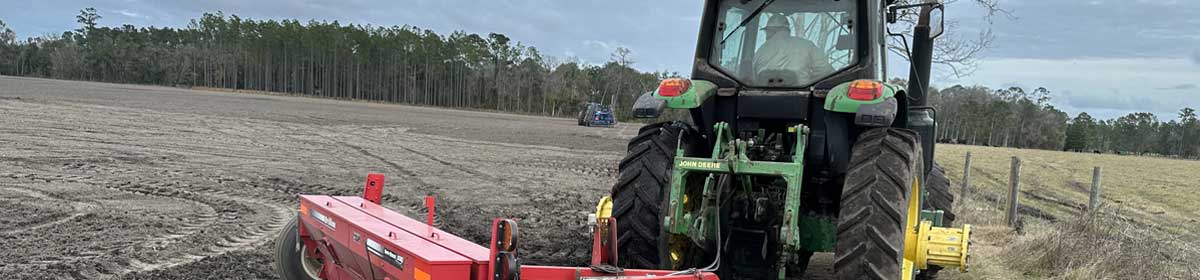
Core aeration or spiking to open up the seedbed, or the use
of a slicer seeder to apply the certified bermuda seed, has been
very successful. Aerating or spiking in two directions, and then
broadcasting the bermuda grass seed uniformly has worked well,
with the seedlings establishing in the openings and spreading
from there to blend with the existing bermuda sod. Using a
slicer seeder to open the thatch and soil surface and planting
the seed in the shallow slicer furrows has also worked well to
establish new bermuda seedlings in existing sod.
Plant 1 1/2 to 2 pounds of turf-type bermuda seed per 1,000
square feet. Plant the seed shallow (less than 1/4 inch) for
best results. Soil temperature must be over 65 deg F for bermudagrass seed to germinate and establish. Spring/early
summer rains or regular, light irrigation applications for the
first 2 to 3 weeks are essential for best results. |