Bermudagrass.com - An Informational Website From Seedland.com
|

ORDER
ONLINE |
PHONE ORDERS:
PHONE
Phone Business hours - Mon-Fri. 9-5 EST ONLY - Contact via
Email
 |
Cynodon dactylon (L.) Pers., variety: NuMex SAHARA
A significant development in
seeded Bermudagrass, Sahara was the
first improved, seed propagated variety
developed exclusively for turf and lawn grass although it it also used as a pasture grass. Sahara is
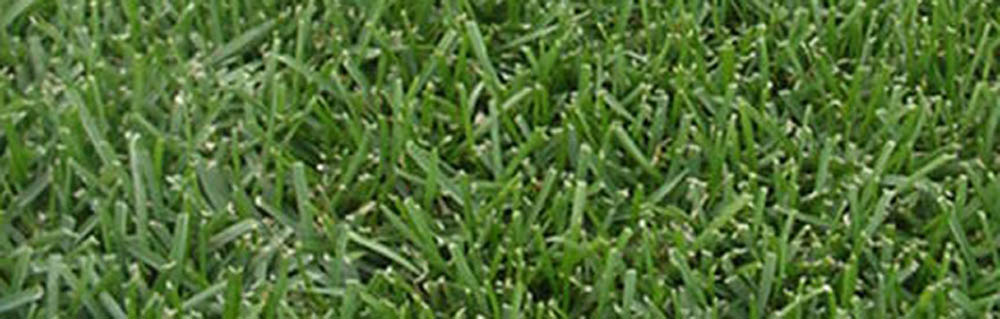
very drought tolerant. Denser and lower growing than Common bermudagrass, Sahara exhibits
improved summer color. This bermudagrass variety has moderate Bermuda stunt mite resistance.
Sahara Bermuda Grass Characteristics
- Medium fine texture with dark green color
- Excellent drought tolerance
- Reduced plant height
- Greater density
- Low in thatch
- Good seedling vigor
- Very popular because of its low cost to plant.
Sahara Bermuda Grass Advantages in Lawns
- Improved overall turf performance
- Increased drought tolerance
- Increased durability and wear tolerance
- Reduced mower clippings
- Improved pest resistance
- Easy to overseed for year-round green color
Uses For Sahara Bermuda Grass
Sahara bermuda grass is ideal for: Golf course fairways and roughs Parks and
playgrounds Home lawns and sports turf
Common Grazing Pasture
Cemeteries and erosion control
Highway right of ways
Sahara grows well in temperate - subtropical and tropical climate zones.
Sahara is excellent for all types of soil - from coarse to fine textured soil.
Sahara Bermuda Grass In Pastures
Sahara Bermuda is an
quality
economical choice in Bermuda grass for a seeded pasture. Sahara
produces more in forage / hay production than
"common" bermudagrass. In addition, Sahara Bermudagrass produces more leaves in the lower part of
the plant resulting in a higher quality hay than common bermudagrass. For the slight additional cost in seeds
it pays to plant Sahara for a forage / hay bermuda over regular "common" bermudagrass.
More on Sahara Bermuda Grass For Pastures
Planting & Growing Sahara Bermuda Grass Seed
Sahara Bermudagrass will germinate in 7 to 10 days and a desirable turf will be established in 60 to 70 days when recommended seeding rates and management practices are followed.
Soil temperature should be 70º F -- Air Temperatures 80°+ -- and no danger of frost is anticipated. (Late spring / Early summer is best planting time in most areas / depending on rainfall moisture or irrigation availability)
Analysis of a soil sample is suggested in order to adjust the pH level to 6.5 to 7. A starter fertilizer should be applied based on recommendation from the soil analysis.
Seed to soil contact is vital to good establishment. Sahara should be broadcast over the prepared seed bed then raked or in some way dragged to insure good soil contact. A light application of top dressing could be applied but should not exceed 1/8 inch.
Newly seeded Sahara should be irrigated with light frequent applications to be kept moist but not to the point of run-off. This program should continue during the germination period and continue for ten (10) days after visual emergence. Once established less frequent but deepened watering should be initiated in order to establish a strong root system.
Once Sahara had reached a growing height of one (1) inch, begin mowing at ¾ inch. Continue this program for 14 days or until fully established. Sahara may be maintained at mowing heights as low as 3/4 inch and as high as 2.5-3 inches. If a mowing height of over one (1) inch is desired, follow the recommended mowing pattern of cutting at ¾ inch until fully established then raise height to optimum in ¼ increments. If mowing heights are 1-2 inches, you should begin mowing grass (and any weeds) when heights are 1/3 above maintenance height desired. Observations have shown that frequent mowing and lower cutting heights will enhance color and improve deep root development. Mowing below 1” will usually require the use of a reel mower.
- Growing Region: Temperate, sub-tropical and tropical climate zones
- Soil: Grows well on all types from coarse to fine textured soil
- pH Range: Adapted to an extremely broad pH range
- Salinity: Can tolerate high saline conditions; however, during establishment soil moisture drainage is very important
- Fertilization: Requires adequate nitrogen fertilizer for best results; this is usually equal to 1 pound actual N (Nitrogen) per 1000 sq. ft. (.5 kg per 100 m2) per month during the growing season
- Mowing Height: ½ - 1 ½ inches (1.25-3.75cm): To encourage improved root development and maximum drought avoidance qualities, mowing height should be ¾ of an inch (1.88cm) or greater
Planting Rate For Coated Sahara Bermudagrass Seed
|
Bermudagrass.com
Growing
a beautiful tomorrow!® |
|
|