|
NOTE: You have reached an information page.
To view
product prices visit our store at
Seedland.com |
|

ORDER
ONLINE |
PHONE ORDERS:
PHONE
Phone Business hours - Mon-Fri. 9-5 EST ONLY - Contact via
Email
 |
|
| Bermudagrass.com
- For All Bermuda Grass Seed Needs |
|
TURF-TYPE SEEDED
BERMUDAGRASS
Seedhead Formation Concerns
Turfgrass managers often have concerns about planting a seeded
bermuda grass variety on their project, rather than a vegetative sod
or sprigged variety. "Seed heads" and possible seed formation are
often mentioned as specific concerns. Information is presented below
to reduce these concerns, for project managers and architects
considering the use of certified seeded bermuda grass products such
as the varieties listed at right:
The "seedhead" issue is much more a factor of management than
anything else such as variety choice. If a Bermuda is throwing
blooms out every 5 days, then it is stressed. Under stress
conditions, even the vegetative sod Bermudas will throw up a lot
of blooms. Stresses include - poor drainage, poor watering
(too much AND too little), drought, low Nitrogen availability,
soil compaction, temperature, etc.- low inputs of Nitrogen is
the most common cause of a Bermuda turf throwing a lot of
blooms. By improving these management and cultural practice
traits a huge reduction in the amount of bloom will be seen.
All bermuda
varieties - seeded or sodded - make blooms ("seedheads") in
response to stress, all kinds of stress. Some varieties
bloomless, such as certain of the hybrids that were selected
specifically for fewer flowers, but all still bloom at some time
in their growing cycle. It is a survival mechanism that tells
the grass plant to try and make some seeds due to the stress.
Now, with that said, there is also a difference among
varieties in the number of blooms they throw up - some vegetative
types such as MS Champion (aka Bull's Eye) and Tif419 were chosen
specifically for fewer blooms, and they will throw very few
blooms, even under the worst of management. Among the seeded
Bermudas, there are also variety differences in bloom count -
Princess and
Yukon
probably have the lowest bloom counts which leads to lower seed yields and high seed
prices. Managed well, these three will not bloom as much as
other seeded varieties - managed poorly, their bloom counts will
increase, but still be lower than others.
READ MORE ABOUT SEED HEADS &
POLLEN ISSUES
| Bermudagrass.com
- For All Bermuda Grass Seed Needs |
|
|
PRINCESS 77 & YUKON
-- NOW AVAILABLE
IN 5 LB PACKAGES
GREAT PRICE! |
BUY PRINCESS
77
OR BUY
YUKON
BERMUDA SEED
ONLINE
FROM SEEDLAND.COM |
SEEDHEAD PREVENTION IN BERMUDA GRASS
**The formation of blooms (commonly called seedheads) is often
mentioned as a concern of turfgrass managers, due to possible
seed formation, and also due to possible pollen and allergy
concerns. This is not a factor when these turf-type bermuda grass
varieties are kept mowed and maintained as an attractive,
healthy turf. Seedheads are rarely found on an improved
bermudagrass turf project that is receiving regular maintenance,
turf care and mowing - well cared for golf course, sports field,
park or home lawn.
**Under lower levels of care and maintenance, all varieties
of bermudagrass turf will be inclined to bloom more and show
more seedheads - this includes the vegetative or hybrid
varieties. But, even under these poorer care situations, the
bermudagrass blooms need a minimum of three weeks un-mowed to
produce any viable seed that might be tracked elsewhere on the
turf project. Generally seed set and production is quite low in
these turf situations, and any seed that is produced will be low
viability. Mowing the turf surface below 5 inches in height will
remove any seedheads that do appear, before any seed is actually
produced.
Stress is very
common in early spring as the soils are trying to warm up and
the plants have not yet gotten going fully - usually this is
related to cool soils, cooler night air temps and some lack of
nutrients (caused by the cool soils and roots). Best plan
is to fertilize well with fast release nitrogen source and
water well - both will stimulate vegetative growth and get the
grass growing happily, less stressed, and less blooms. Even
if their daytime temperatures are hot right now, doesn't mean
the soil has warmed up - if the nights are still cooling down
then the soil is also still cool.
**Bermudagrass blooms and actual production of seed are
enhanced by stress. Poor soil fertility, drought or low moisture
conditions, cooler late summer temperatures, high levels of
salinity, disease or insect pressure, and shorter day length are
conditions that will generally promote the formation of blooms (seedheads)
on all bermudagrass varieties. Since most turf sites are not
maintained this poorly, it is obvious that the turf manager has
very definite control over the seedhead production on his
project. Regular mowing (at least once per week in season),
moderate and regular fertilizer applications, adequate soil
moisture, and reduced mowing heights (3/4 - 1 1/2 inches) will
generally eliminate this problem.
**Under the relatively high humidity levels present on a well
maintained turf site, seed development is very poor in the bermudagrass florets (blooms - seedheads). In fact, over 95% of
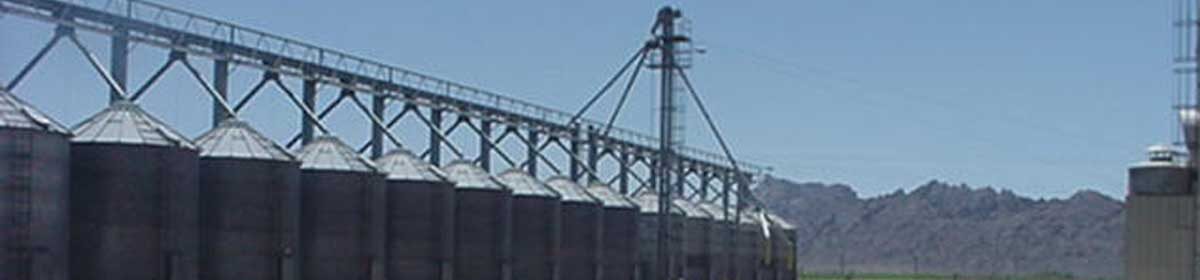
the world's bermudagrass seed supply is produced in the Desert
Southwest of the United States, where growing conditions are far
less humid than most turfgrass situations.
**Certified Turf-Type Bermuda grasses have many advantages
that far outrank any remote chance of the grass producing seed
on a turfgrass project. One benefit is the reduced number of
seedheads evident in maintained turf plots of superior turf-type
varieties, under national testing, when compared to common
bermudagrass. One major benefit to using these seeded bermudas
is the fact that these grass varieties are actually propagated
from seed. This makes the planting and establishment of a new
turf area much faster and far less expensive than planting a
vegetative variety using sod, stolons or plugs. In the Certified
seed production fields in Arizona and California, the bermudagrass plants are regularly stressed for higher seed
production, and allowed to grow to a height of 16 to 20 inches
for better yield and easier harvest of the seed - stress
increases the bloom count. Under any normal or even moderate
level of turfgrass maintenance, it is very rare to see many
seedheads or expect viable seed production on a turfgrass
project. |
| Bermudagrass.com
- For All Bermuda Grass Seed Needs |
|
Information provided courtesy of Seed
Research
|
Bermudagrass.com
Growing
a beautiful tomorrow!® |
|