Planting Bermuda Seed Lawns
The first question
that must be answered is will you be "starting from scratch"? A decision
must be made to either plant within an existing lawn or to till up your lawn area so that no weeds or grasses are left living in
the area to be planted. The ideal situation is to have tilled soil for the
area where you wish to establish a grass from seed.
Resources To Help You Plant Bermuda Grass
| Bermudagrass.com
- For All Bermuda Grass Seed Needs |
|

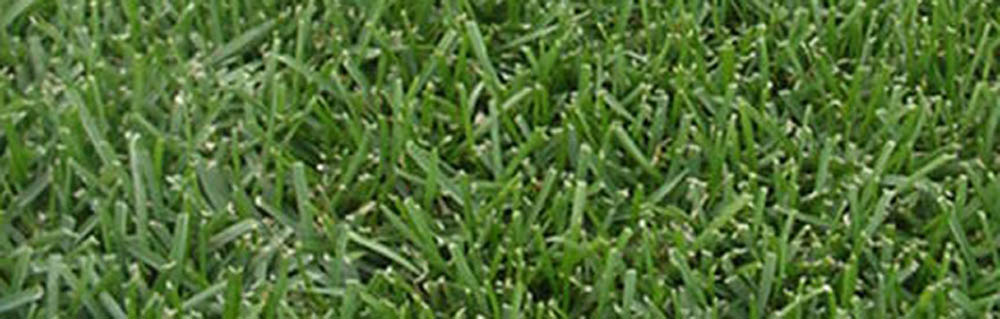
A Beautiful Bermuda Grass Lawn
|
Why Ideal? Because existing plants
that are directly next to (6 inches or closer) of where you are trying to establish other
grass plants from seed, provide competition to your seeds by consuming sunlight &
plant nutrients.
Competition by existing
plants means some plants (seedlings) simply won't survive the additional stress imposed by these adult
plants. This is not to say you can't establish a lawn within other plants, just that
it is more difficult to do so.
BERMUDA DOES BEST IN FULL
SUN! It does not tolerate shade very well. So keep that sunlight coming for a great lawn. |
| BUT WHAT IF I
JUST WANT A BETTER LAWN? |
To Improve An Existing Bermuda Grass Lawn
Many times the purpose
is just to improve the existing stand of Bermudagrass. In Bermuda's case --- this is
done to increase a stand density of Bermuda sod and to try and help reduce or eliminate
weeds. Some of this can be achieved through cultural
maintenance practices, but in cases where
the grass is very thin, you may need to re-seed (overseed) those sparse areas. |
|
First: Decide if you will
till the soil (kill the existing plants by plowing up your site!) or just plant within the
existing grass. Also decide on the variety of
Bermuda to plant.
| I will TILL my site
and start Fresh! I will NOT TILL my site - I
want to overseed my existing lawn. |
| NOT TILLING: You are not tilling the soil - and
are planting seeds within the existing grass & weeds; |
(1) Mow the area low in spring or fall, remove the
excess plant material - Then Sow (broadcast) your Bermudagrass seeds on the area to be
planted generally in the spring for best results. Planting
in the fall at
the same time you use a cover crop such as ryegrass
can be used, but the odds of successful establishment are
lower.
Use un-hulled Bermuda if seeding in the fall.
Bermuda seeds require a soil temperature of above
65 degrees to germinate and will not start germinating
until this temp coupled with adequate soil moisture is
present.. Optimum outside air planting temps should
be 75-90 degrees.
(2) Rake the area sowed with a hand rake so that
scratch marks in the soil between plants allow some seeds to fall into these valleys and
become covered by soil over time (from your rake action and later from rains).
Bermudagrass seeds must have a thin soil covering to germinate (1/4 inch ideal) - They DO
NOT germinate when thrown on top of the ground. Use the correct rate of seed for
Bermudagrass lawns. It is best to rake before and
after broadcasting the seed to achieve best soil contact.
(3) Follow your normal water, fertilizing and
mowing practices for the area you have planted on a regular basis. That's all!
Eventually - (After several months of growing season time has gone
bye - usually 60 to 90 days)-you should
have an improved, more lush and thick Bermudagrass lawn. - Note: freshly seeded lawns
require more frequent watering, usually daily.
PICTURE OF BERMUDA
SEEDLING - 21 days
old
| Bermudagrass.com
- For All Bermuda Grass Seed Needs |
|
How much seed do I need to
plant?
For overseeding & improving existing
Bermudagrass Lawns
|
Seeding Rate
(Existing lawns Only):
Plant 1 to 2 lbs. per 1000 sq. ft.
Lawn Acreage: 45-90/A.
|
|
| Bermudagrass.com
- For All Bermuda Grass Seed Needs |
|
Planting Bermuda Grass In EROSION
AREAS
On erosion areas such as banks more seed will
have to be added and can be seeded with rye grasses (only in the cool season) that grow
early and fast while the Bermuda takes hold. Rate
for new lawns (hulled / coated seeds) is 2 to 3 lbs. per
1000 sq. ft.
|
Visit our www.lawngrasses.com
for more about seeding rates for grasses. - Also read the rates listed below.
| TILLING:
Planting
on correctly prepared and tilled soil. |
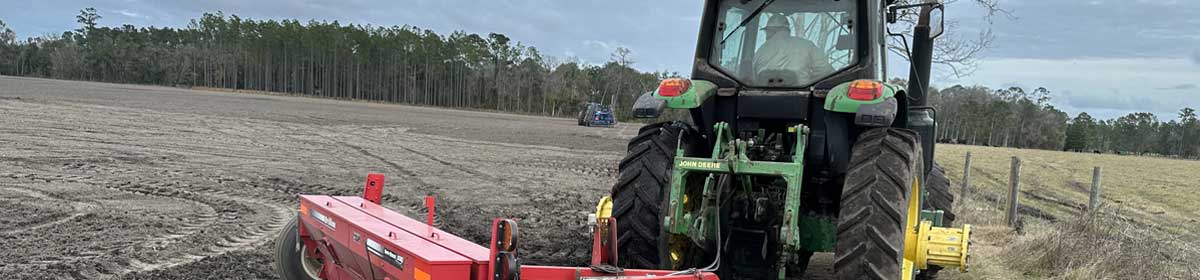
(1) Till the area to be planted. This can be
done with either a garden tiller or a tractor harrow/tiller (Or even a shovel if you have
a good back!). Once the area is returned to soil, level the ground by raking or
dragging something over the surface until it is smooth and level. Now is the time to
remove hills and depressions so that you have a nice smooth lawn.
 |
BUY
SEEDERS
FROM SEEDLAND
FOR YOUR LAWN
|
(2) Plant the seeds. You can
use a commercial turfgrass planter or sow the seeds by hand, or just as easy and much
preferred, buy a broadcast
seeder (hand held models are available for $8-30) like the one above. Once
your seeds are sowed, rake or drag the seeded area, so that as many of the seeds as
possible are lightly covered (1/4 inch is ideal covering). Be sure and use the correct
rate for seeding Bermuda's.
(3) Water the area you have planted as
needed. Apply fertilizer in intervals
through the growing season, and practice a regular mowing schedule. Mowing the weeds that will grow in your new lawn
area faster than the grass, allows the grass to compete better for scarce nutrients and
sunlight. - Mow regular and at the correct height. - Note: freshly seeded lawns require
more frequent watering, usually daily.
| Bermudagrass.com
- For All Bermuda Grass Seed Needs |
|
How much seed do I need to
plant?
For NEW Bermudagrass Lawns
|
Seeding Rate:
Plant 2 to 3 lbs. per 1000 sq. ft.
(coated seed)
90-135 lbs per Acre.
IMPORTANT
NOTE: Do not exceed 3 lbs. per
1000 sq. ft. with improved varieties. |
|
Visit our www.lawngrasses.com
for more about seeding rates for grasses. For
pasture seeding the rate is different. Keep in mind that the seeding rate is
purposely higher for lawns so that the higher plant density needed for lush lawns is
achieved.
|
A good final finish
to planting a Bermudagrass lawn is to roll your planted lawn area with a hand
roller. You can rent these implements from rental stores in your area. This compacts
the soil around the seed, creating a more favorable environment for Bermudagrass seed
germination. The rolling also smoothes the soil providing for a more level
lawn.
| Bermudagrass.com
- For All Bermuda Grass Seed Needs |
|
Bermuda Grass Takes Time To Establish From Seed
|
KEEP
IN MIND THAT ESTABLISHING A
BERMUDAGRASS LAWN
FROM SEED IS NOT THE WAY TO GET AN INSTANT LAWN. BE PATIENT & WAIT ! |
Your lawn will grow to be beautiful over time!
If you can't wait..... consider SODDING
Quite regularly I get emails from
individuals
saying the following:
"I just planted my Bermudagrass seed two weeks ago
and I don't see any grass."
--- First of all, Bermudagrass takes 10-30
days to germinate under ideal situations (adequate warm-moist
70+ degree soil
conditions). Some seeds germinate faster and some take months longer. Hulled
seed generally germinate faster than un-hulled Bermuda seed. It all depends on the soil
and climate for the period after you plant. Bermudagrass loves hot moist soil to
germinate. That is when it will germinate the fastest.
Keeping adequate moisture throughout the day is also a
critical factor. Watering more than once a day may
be a requirement of your lawns soil & weather.
PICTURE OF
BERMUDA
SEEDLING (21 Days Old)
--- Secondly, keep in mind that these plants are
much like a child. When a child is conceived it generally takes 9 months to
emerge. Same with Bermudagrass, except it only takes 2-4 weeks if conditions are
right. Then it starts the long process of maturing into an adult Bermuda plant (if
conditions aren't right it wont even start!). Once it has germinated and emerged, it
is only a baby in the plant world. It will be a very tiny needle
looking plant, hiding under and around all the other weeds & plants that may be present in the
neighborhood. Bermudas when they first emerge look
more like a weed than a grass. Check the picture
link above to see what to look for. Seedling color
is often brown / purplish. |